Compare Local Contractors for Water Removal Services Effectively
Compare local contractors for water removal to clarify scope, verify experience, and establish clear expectations in writing for effective property restoration.
Water removal services typically involve extracting excess water from affected areas within a property, often following incidents such as flooding, plumbing failures, or leaks. These services may include the use of specialized equipment to remove standing water, dry out structures, and prevent further damage. Proper water removal is a crucial first step in mitigating property damage and reducing the risk of mold growth, making it essential to work with contractors who understand the scope of necessary procedures and can tailor their approach to the specific situation.
Defining the scope of water removal work is important because it clarifies what services are included and helps set clear expectations for property owners. A detailed scope should outline the areas to be treated, the methods to be used, and any additional services that might be necessary, such as moisture detection or structural drying. Having this information in writing ensures that both property owners and contractors are aligned on the work to be performed, reducing misunderstandings and facilitating a smoother process from assessment to completion.
Property owners can compare local contractors by evaluating their experience with water removal projects, verifying their understanding of the scope of work, and reviewing how they communicate their process. It’s advisable to ask potential service providers about their methods, equipment, and approach to handling different types of water damage. Additionally, reviewing written proposals or estimates that clearly specify the scope of work can help property owners make informed decisions. Taking the time to compare these aspects ensures that the chosen contractor is well-equipped to handle the specific needs of the property and can deliver reliable, professional service.
Compare local contractors by outlining project priorities, verifying experience, and establishing clear written expectations.
- Compare Contractors - Review multiple local service providers to find the best match for water removal needs.
- Define Scope - Clearly outline the work required to ensure all parties understand project expectations.
- Verify Experience - Check the background and previous work of local contractors to ensure competence.
- Set Expectations in Writing - Document the scope, responsibilities, and terms to prevent misunderstandings.
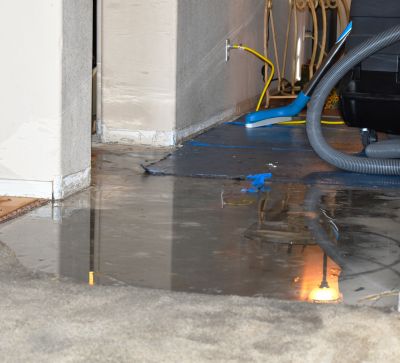
Clearly describe your water removal project upfront to help compare local contractors and set clear expectations.
- Verify experience and expertise in water removal services to ensure contractors are qualified for the specific scope of work. - Look for service providers with a proven track record handling similar water removal projects.
- Compare the scope of work offered by different contractors to ensure all necessary tasks are included and clearly defined. - Clarify what is covered in the service, such as extraction, drying, and moisture detection.
- Check references or reviews to gauge the reliability and quality of previous water removal projects completed by the contractors. - Seek feedback from past clients to understand their level of satisfaction.
- Ensure that the scope of work is documented in writing to set clear expectations and prevent misunderstandings. - Confirm that the contract specifies the procedures, materials, and responsibilities involved.
- Assess the contractor’s equipment and techniques to verify they use appropriate and effective water removal methods. - Ask about the tools and technology employed for moisture detection and extraction.
- Determine if the contractor provides detailed documentation of the work performed for insurance or future reference. - Request written reports or records of the water removal process and results.
Compare local contractors, verify experience, and clarify scope to ensure effective water removal services.
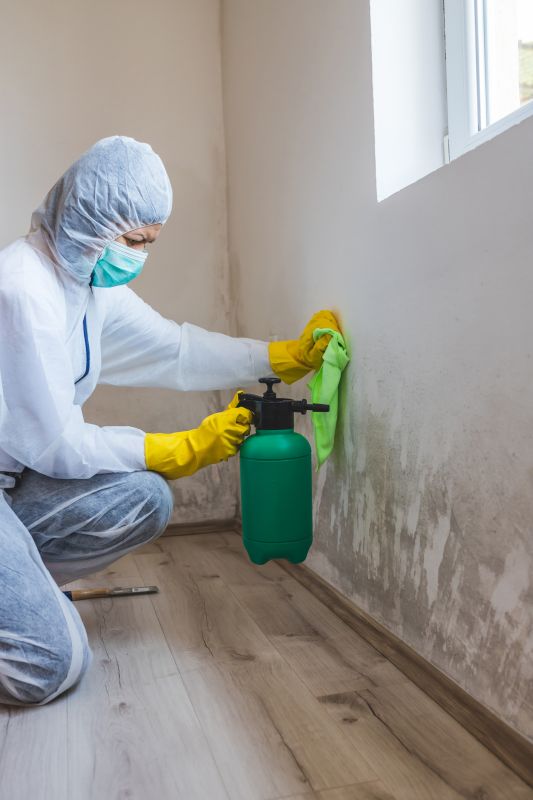
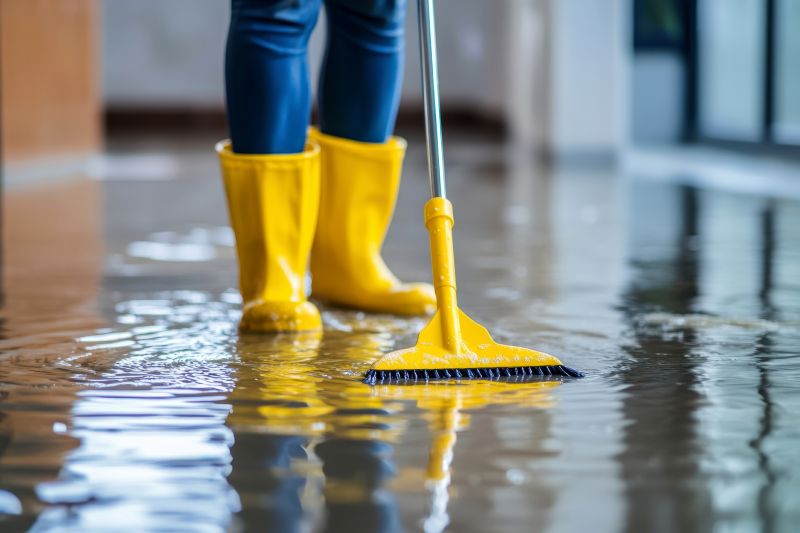
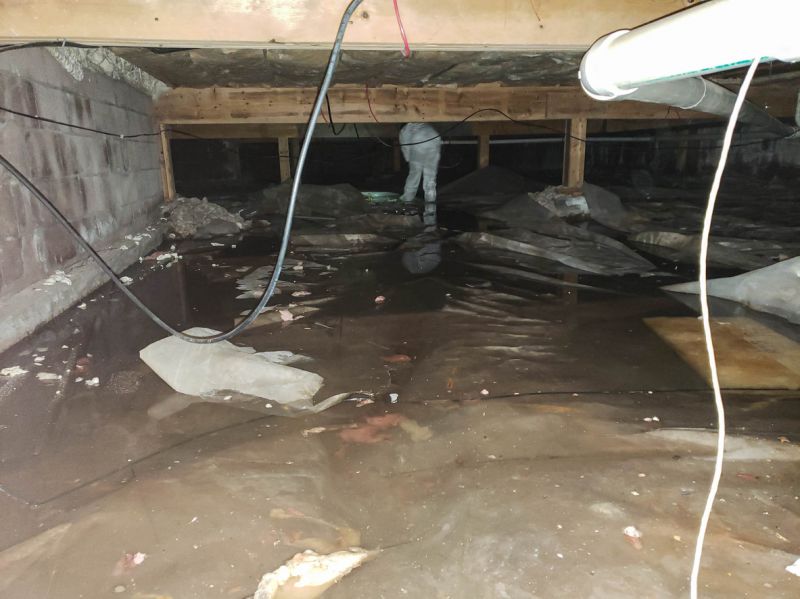
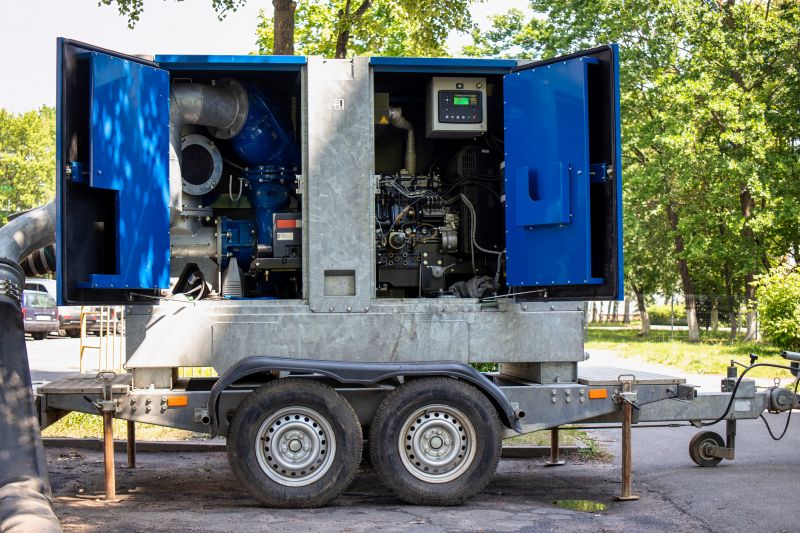
When comparing water removal contractors, focus on defining the scope, verifying experience, and setting clear expectations in writing.
- Scope Definition - Clearly outline the extent of water removal tasks required, including affected areas and specific services needed.
- Experience Verification - Confirm that local contractors have relevant experience with water removal in similar situations.
- Equipment and Methods - Identify the tools and techniques that service providers plan to use for effective water extraction.
- Written Agreement - Ensure all scope details and expectations are documented in a written agreement before work begins.
- Service Provider Comparison - Evaluate and compare local contractors based on their scope offerings, experience, and approach to water removal.
When evaluating contractors for water removal services, it’s important to consider their experience with similar projects. Homeowners should inquire about the types of water removal jobs the service providers have handled in the past, paying attention to the size, scope, and complexity of those projects. A contractor with a proven track record in managing water removal in residential settings can often better anticipate potential challenges and deliver reliable results. Asking about previous work can help gauge whether a contractor has the practical knowledge needed to handle the specific circumstances of a home’s water removal needs.
A clear, written scope of work is essential when comparing service providers. Homeowners should seek detailed descriptions of the services included, outlining what the water removal process entails and what is not covered. A well-defined scope helps prevent misunderstandings and ensures all parties have aligned expectations. It’s advisable to request a written outline before any work begins, so the homeowner and contractor have a shared understanding of the project’s parameters and deliverables.
Verification basics involve confirming that a contractor can substantiate their experience and qualifications. Homeowners should ask for references from previous clients with similar projects and verify that the contractor has a consistent history of successful water removal work. Additionally, checking whether the contractor adheres to industry standards and best practices can provide assurance of their competence. While formal licensing or certification may not be explicitly required, gathering evidence of completed projects and professional reputation can help in making an informed decision.
When comparing options, it’s helpful to assess how each contractor communicates their approach and scope of work. Homeowners should review written proposals carefully, paying attention to the clarity and detail of the scope, as well as the professionalism of the documentation. Asking service providers to explain their process and how they plan to address specific water removal challenges can reveal their level of expertise and transparency. By focusing on the clarity of communication, scope details, and verified experience, homeowners can better evaluate which local contractors are well-equipped to handle their water removal needs effectively.
Ask contractors to provide written scope details to ensure clear understanding and consistent expectations.
- Scope of Work - What specific water removal services do local contractors include in their scope?
- Experience and Expertise - How can property owners verify the experience level of local water removal service providers?
- Comparison of Services - What criteria should be used to compare the scope and quality of services offered by different contractors?
- Written Agreements - Why is it important to have the scope of work and expectations documented in writing before work begins?
- Specialization and Capabilities - Do local contractors have the necessary equipment and expertise to handle different types of water removal situations?
How can I compare water removal contractors effectively? Look for details about their experience, services offered, and reviews or references to ensure they meet your specific needs.
What should I consider when defining the scope of water removal work? Clearly outline the affected areas, extent of water damage, and any additional services required to help contractors provide accurate information.
How do I verify the experience of a water removal service provider? Ask about their previous projects, years in business, and whether they have handled similar water removal situations successfully.
Why is it important to get written estimates and scope of work? Written documentation helps set clear expectations, avoid misunderstandings, and provides a record of the agreed-upon work and responsibilities.
What questions should I ask local contractors before hiring? Inquire about their process for water removal, equipment used, cleanup procedures, and how they handle potential complications during the job.
How can I ensure a water removal contractor is reliable? Check references, verify their experience with water removal projects, and confirm they provide detailed, written proposals outlining the work to be performed.
This page has highlighted the importance of comparing local contractors for water removal services, understanding the scope of work, and verifying experience to ensure the job is handled appropriately. Setting clear expectations in writing can help facilitate a smooth process and ensure all parties are aligned. Utilizing the quote form allows for easy comparison of available service providers in the area, helping to identify options that meet specific needs.
By using the provided quote form, visitors can connect with local service providers who are equipped to manage water removal projects. Taking the time to define the scope and review credentials helps make informed decisions. Comparing options through this process supports finding the right contractor for the job, based on experience and service offerings.