Flood Damage Restoration in Wilmington, NC
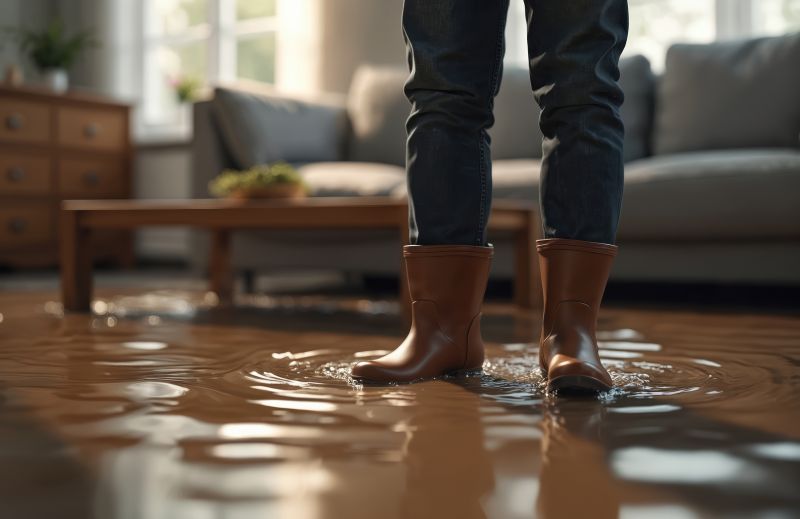
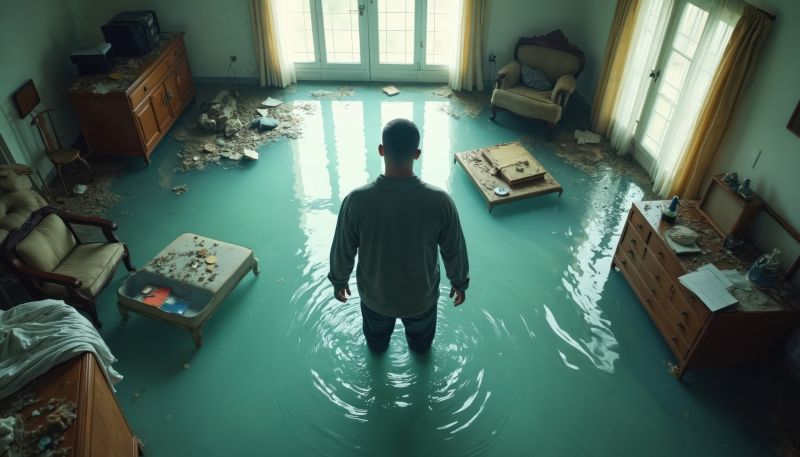
Flood damage restoration services address the process of repairing and restoring properties affected by flooding incidents. This includes removing standing water, drying out affected areas, cleaning and sanitizing surfaces, and repairing structural elements such as walls, flooring, and insulation. Projects typically involve homes that have experienced basement flooding, pipe bursts, storm surges, or other water intrusion events, with the goal of preventing mold growth and further damage. Property owners often want to understand the scope of work involved, the potential timeline for restoration, and the importance of addressing water damage promptly to protect their investment.
Before requesting flood damage restoration, homeowners should assess the extent of the damage and consider whether there are visible signs of water intrusion or mold growth. It’s useful to know if the affected areas include electrical systems or valuable belongings, as these may require special attention. Clarifying the process of water extraction, drying, and sanitization can help property owners make informed decisions about their restoration needs. Understanding the steps involved ensures that property owners can prepare adequately and coordinate the necessary repairs to restore their home safely and effectively.
Many property owners in Wilmington, NC look into Flood Damage Restoration for repairs, replacements, upgrades, and appearance-related improvements.
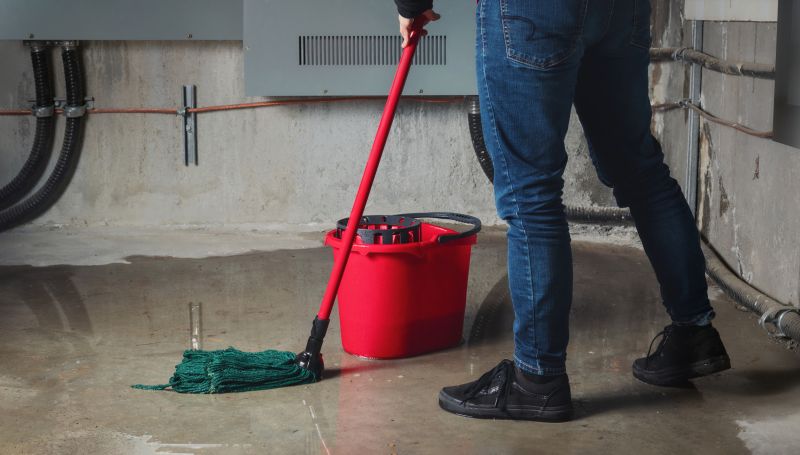
Water Damage Assessment
Identifying the extent of flood-related damage to ensure proper restoration.
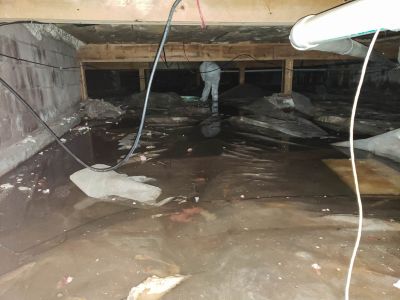
Structural Drying & Cleanup
Removing excess moisture and cleaning affected areas to prevent mold growth.
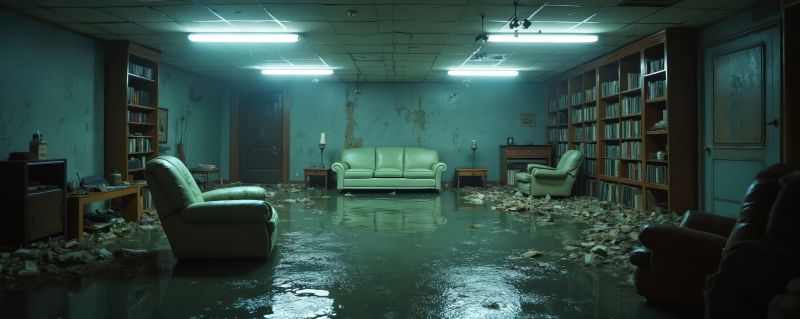
Property Restoration & Repairs
Restoring your property to its pre-flood condition with professional repairs and remediation.
Flood Damage Restoration in Wilmington, NC
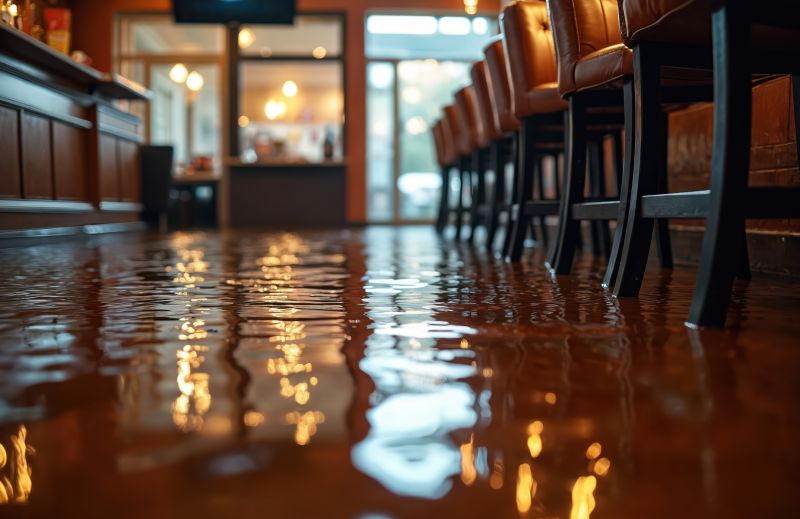
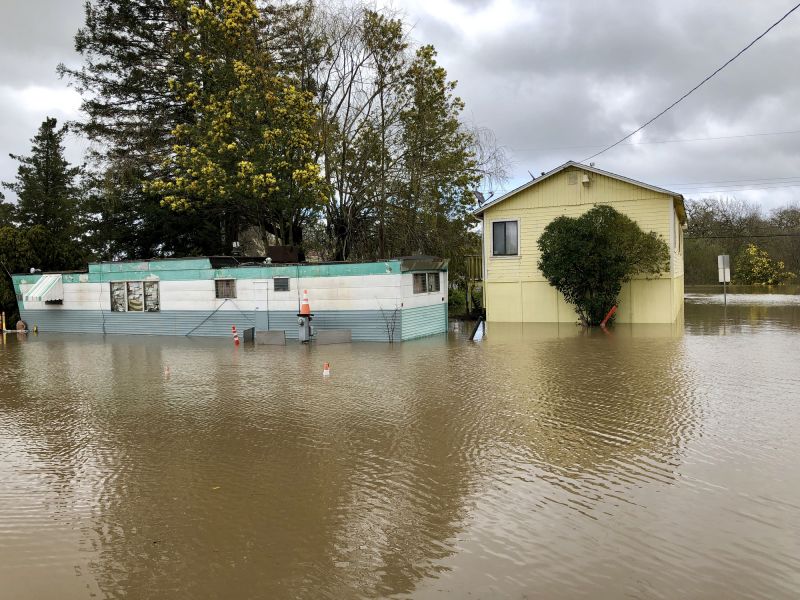
Flood damage restoration services address the process of repairing and restoring properties affected by flooding incidents. This includes removing standing water, drying out affected areas, cleaning and sanitizing surfaces, and repairing structural elements such as walls, flooring, and insulation. Projects typically involve homes that have experienced basement flooding, pipe bursts, storm surges, or other water intrusion events, with the goal of preventing mold growth and further damage. Property owners often want to understand the scope of work involved, the potential timeline for restoration, and the importance of addressing water damage promptly to protect their investment.
Before requesting flood damage restoration, homeowners should assess the extent of the damage and consider whether there are visible signs of water intrusion or mold growth. It’s useful to know if the affected areas include electrical systems or valuable belongings, as these may require special attention. Clarifying the process of water extraction, drying, and sanitization can help property owners make informed decisions about their restoration needs. Understanding the steps involved ensures that property owners can prepare adequately and coordinate the necessary repairs to restore their home safely and effectively.
Many property owners in Wilmington, NC look into Flood Damage Restoration for repairs, replacements, upgrades, and appearance-related improvements.
Common Flood Damage Restoration Jobs
Flood damage restoration services help property owners recover from water intrusion and minimize structural issues. - They include water extraction, drying, and cleaning to restore affected areas. - Services address both visible damage and hidden moisture that can cause mold growth. - Restoration projects often involve removing damaged materials and sanitizing surfaces. - Proper flood damage repair helps prevent long-term deterioration and health hazards. - Professional restoration ensures the property is thoroughly dried and safe for occupancy.
Flood Damage Restoration Questions
What causes flood damage in homes? Flood damage can result from heavy rain, storm surges, or plumbing failures that allow water to enter and accumulate inside a property.
How can flood damage affect a property? Flooding can lead to structural issues, mold growth, and damage to flooring, walls, and personal belongings if not addressed promptly.
What are common signs of flood damage? Signs include water stains, a musty odor, warped flooring, and visible mold or mildew on walls and surfaces.
What should property owners do after a flood? It is important to remove standing water, dry affected areas thoroughly, and seek professional restoration to prevent further damage and health risks.
Request Flood Damage Restoration in Wilmington, NC
Use the quote form on this page to share the basics of your project and request more information for the type of work you need.